
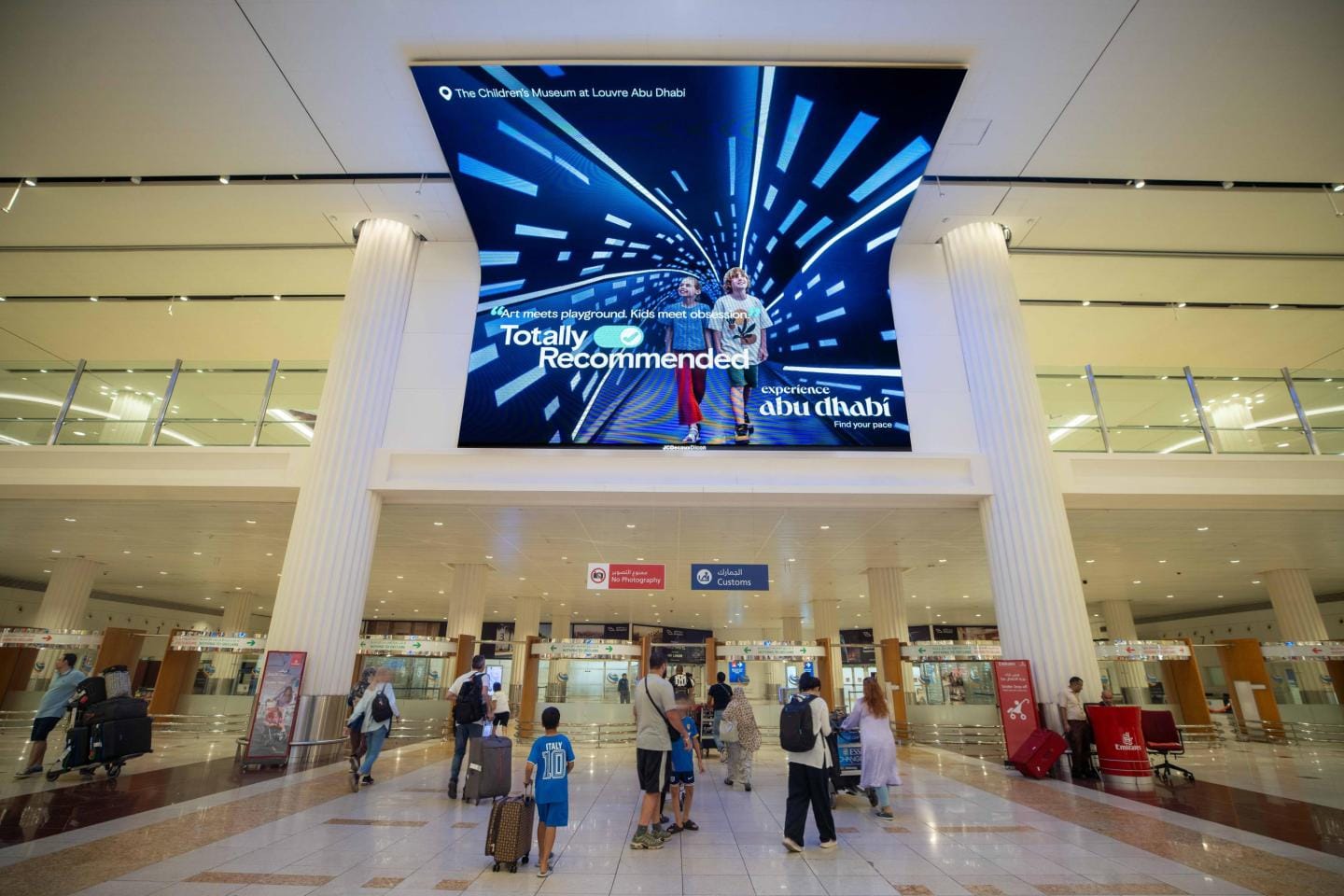



Bicol International Airport (DRP), Philippines, serves as the primary aviation gateway to Southern Luzon and the Bicol Region, a market defined by strong domestic connectivity and tourism activity. The airport functions as a critical access point rather than a transit hub, bringing together local residents, returning overseas Filipinos, and domestic leisure travellers. For advertisers, this is a contained environment where brand visibility allows repeated exposure within a defined regional audience.
Where You Place Defines Who You Reach
Bicol International Airport operates as a single-terminal facility, which creates a unified passenger journey and a concentrated media environment.
Unlike multi-terminal hubs where audience segmentation is fragmented, DRP delivers shared passenger movement through common areas. This means brand placements benefit from consistent visibility across arrivals, departures, and waiting areas. The audience is predominantly domestic, with representation from family travellers, regional business passengers, and overseas Filipino workers returning home.
For consumer brands, financial services, telecom providers, and FMCG categories, this structure creates an engagement model based on repeated exposure. Repetition becomes the key advantage, reinforcing brand recall across multiple touchpoints within a single journey.
The Commercial Landscape Beyond the Terminal
DRP’s value is closely tied to the economic and cultural identity of the Bicol Region. The airport connects directly to Legazpi City and surrounding provinces, where local commerce, tourism, and remittance-driven consumption shape the market.
This is a region with strong ties to overseas employment, which translates into consistent inflows of returning residents. At the same time, Bicol’s tourism appeal, anchored by attractions such as Mayon Volcano, continues to draw domestic visitors.
For advertisers, this creates a dual-market opportunity. Brands can engage both returning residents and leisure travellers exploring the region. Categories such as retail, banking, remittance services, automotive, and local real estate benefit directly from this dynamic.
The Advertiser's Case for Bicol International Airport
Bicol International Airport offers a different kind of value compared to major metropolitan hubs. It is not defined by international scale, but by audience consistency and regional relevance.
For advertisers focused on domestic reach within the Philippines, DRP provides a reliable and repeatable engagement environment. The absence of fragmented terminals and complex passenger flows ensures that campaigns maintain visibility throughout the passenger journey.
This is an airport where frequency builds familiarity, and familiarity supports brand recall. Brands that establish a presence here position themselves within the daily movement of a region with ongoing economic activity and strong domestic and overseas connections.
Frequently Asked Questions
What type of audience does Bicol International Airport serve?
The airport primarily serves domestic travellers, including local residents, business passengers, and overseas Filipino workers returning to the region.
Is Bicol Airport suitable for national advertising campaigns?
Yes. It is effective for brands targeting regional penetration within the Philippines, particularly those seeking repeated exposure among domestic travellers.
What makes advertising at DRP different from major city airports?
The single-terminal structure ensures consistent visibility and repeated exposure, creating stronger brand recall compared to more fragmented airport environments.
Which industries benefit most from advertising at this airport?
Banking, remittance services, telecom, retail, automotive, and consumer goods brands benefit from the airport’s domestic audience.
Your Global Media Partner: Built for Results
As your global media planning partner, we ensure:
✅ Free media planning with our global experts
✅ Fastest campaign execution in the industry
✅ 100% campaign delivery success rate
✅ Free reporting and performance monitoring