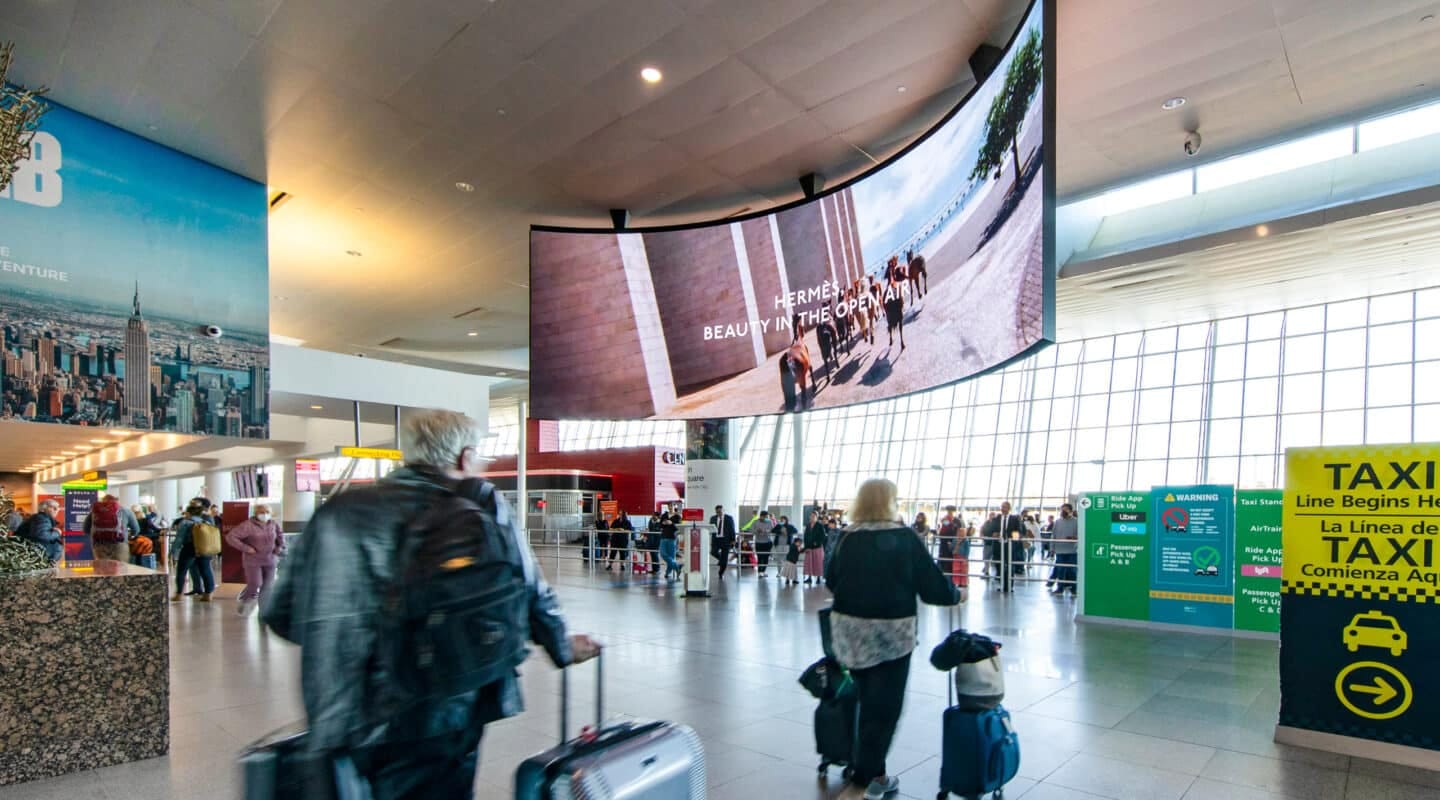
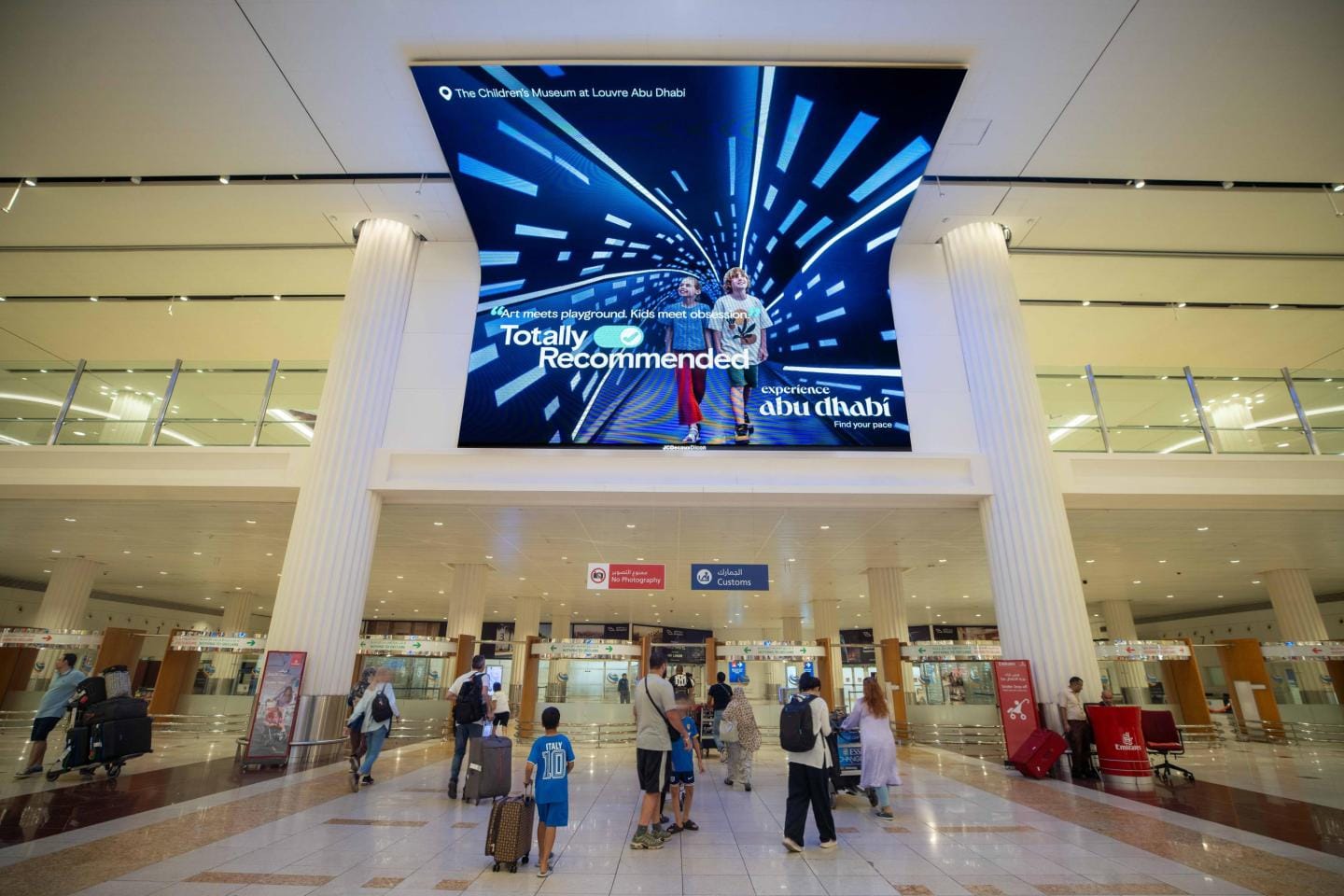
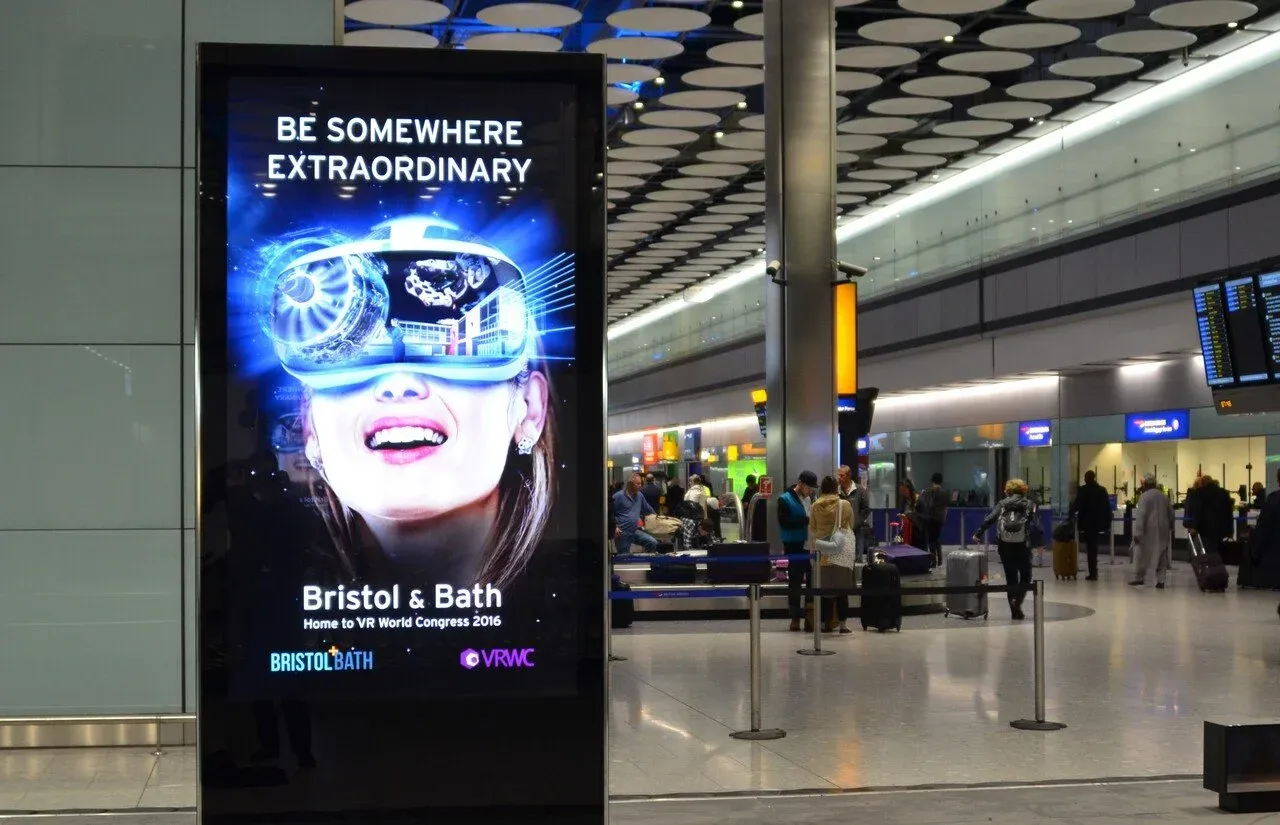


Los Angeles International Airport (LAX) is one of the most commercially strategic aviation gateways in the world. With approximately 75 million passengers annually, LAX ranks among the busiest airports in the United States and globally. Traffic composition reveals even more strategic value: 69% domestic passengers (52.6 million) and 31% international passengers (24 million).
As the largest international gateway on the West Coast and the primary entry point to Southern California and the Pacific Rim, LAX delivers consistent exposure to affluent, globally connected audiences.
Book Your Free Expert Consultation Today
Book NowTerminal-Level Strategy Matters
LAX operates 9 passenger terminals serving more than 70 airlines. Placement decisions are not interchangeable. Each terminal carries a different audience profile and campaign implication.
This terminal delivers the highest density of international premium travelers, cross-border investors, and business-class passengers.
Tom Bradley International Terminal (TBIT / Terminal B)
TBIT handles the majority of long-haul international arrivals and departures. Carriers such as Emirates, Air France, and Qantas operate here, alongside international operations from major U.S. airlines.
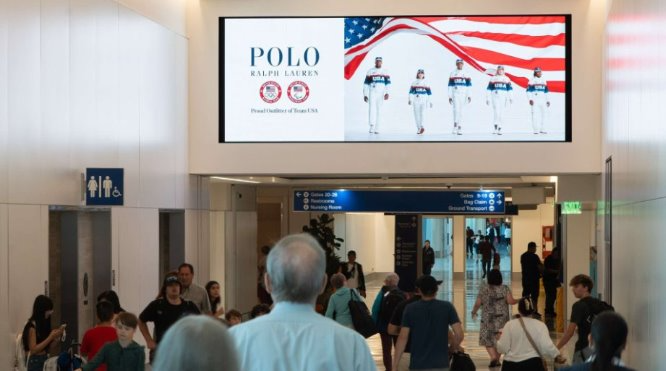
This terminal carries the highest concentration of international premium travelers. For luxury, global financial services, high-end automotive, fashion, and investment brands, this is the most strategic real estate within LAX.
TBIT represents the most strategic media environment within LAX.
Terminals 4–8
These terminals anchor major domestic network carriers including American, Delta, and United. Passenger volumes are predominantly domestic, with international connections often routed through TBIT.
These terminals provide strong exposure to business travelers, corporate flyers, and national consumer markets. For B2B campaigns, technology brands, financial institutions, and nationwide product launches, this zone provides scale combined with decision-maker traffic.
Terminals 1–3
Primarily domestic operations, with significant activity from Southwest and regional carriers. These terminals deliver volume and frequency. They support tourism campaigns, consumer brands, and services targeting broad U.S. travel audiences.
Premium Lounges: High-Value Micro-Environments
LAX features more than 20 premium lounges, including Delta Sky Club, United Polaris, Star Alliance, OneWorld, and SkyTeam facilities.
These spaces concentrate first-class and business-class travelers, elite frequent flyers, and corporate executives. Campaigns placed within or adjacent to lounge corridors operate within a significantly different value bracket than general terminal placements.
For clients prioritizing high-income positioning, particularly luxury real estate developers and global investment brands, lounge corridors remain among the most commercially efficient premium airport media environments available.
Book Your Free Expert Consultation Today
Book NowSeasonal Traffic Intelligence
For media planners managing quarterly budgets and launch windows, LAX traffic patterns create measurable performance advantages.
Summer (June–August)
- June: +11.8% year-over-year
- July: +17.8% year-over-year
- August: +26.8% year-over-year
Summer consistently represents the highest seasonal volume period.
Late Winter & Spring (February–April)
- February: +14.4% year-over-year
- March: +6.6% year-over-year
- April: +11.4% year-over-year
These months deliver reliable uplift compared to prior-year baselines and often align with convention traffic and cultural events.
Holiday Surge Windows
Thanksgiving and year-end travel create measurable volume spikes.
Thanksgiving Period (Mid-November – Early December)
- 2.2–2.5 million passengers
- Peak Sunday: 220,000–230,000 travelers
This window supports short-duration, high-impact bursts timed around concentrated traffic days.
Christmas & New Year (December 19 – January 2)
- 3.2+ million passengers
- Peak days frequently exceed 200,000 travelers
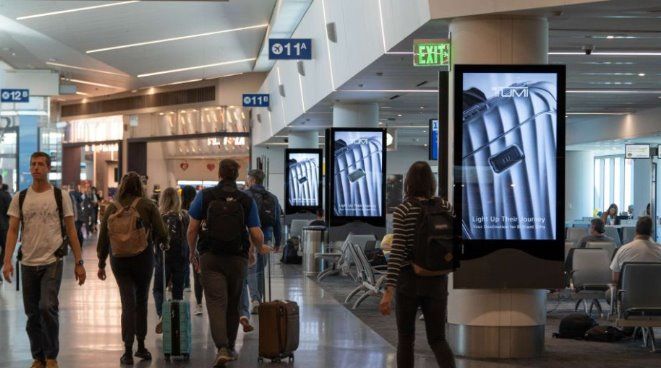
Total throughput during this period often surpasses Thanksgiving. Extended campaigns placed across this window benefit from sustained passenger density across both leisure and international segments.
Book Your Free Expert Consultation Today
Book NowGeographic Advantage
LAX sits minutes from some of the most affluent districts in the United States:
- Beverly Hills and West Hollywood
- Santa Monica and Malibu
- Downtown Los Angeles business district
The airport functions as the primary access point to these luxury markets. For luxury real estate developers targeting international property buyers, and for brands aligning with wealth concentration, the geographic positioning strengthens campaign context beyond the terminal environment.
Strategic Perspective
LAX offers scale, international reach, premium audience concentration, and predictable seasonal uplift. Terminal-level placement decisions directly influence campaign positioning, audience quality, and brand perception.
For brands planning global launches, Q4 pushes, luxury positioning, or high-value B2B visibility, LAX remains one of the most commercially strategic airport environments in North America.
Inventory within premium zones does not remain available indefinitely — particularly during summer and holiday windows.
Book a free expert consultation now